
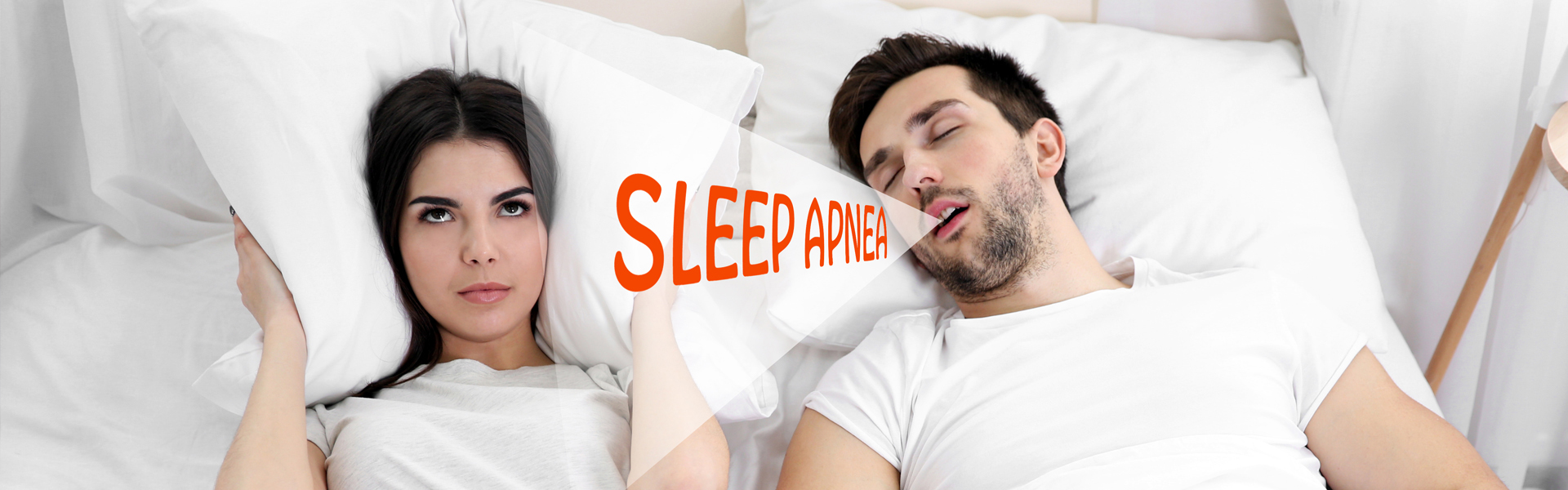
What Causes Loud Snoring: Early Signs and Effective Solutions
Loud snoring is easy to dismiss, especially when it starts gradually. Many adults assume it is only a sleep habit, but that is not always the case. In some people, snoring develops when airflow is partly blocked during sleep, causing tissues in the mouth or throat to vibrate. That is why understanding what causes loud snoring matters. It can point to simple issues, such as congestion or sleep position, but it can also be an early sign of a more serious breathing problem that affects sleep quality, energy, and long-term health.
Understanding The Root Causes Of Loud Snoring
Snoring begins when air cannot move smoothly through the upper airway. As the airway narrows, nearby tissues vibrate and create sound. The louder the snoring, the more likely it is that airflow is meeting resistance.
One common cause is relaxed throat tissue. During sleep, the muscles of the tongue, soft palate, and throat naturally loosen. In some people, that relaxation is enough to narrow the airway and produce noise.
Nasal blockage can also contribute. Allergies, sinus pressure, or chronic congestion may force a person to breathe through the mouth at night. That change in airflow often makes snoring more noticeable.
Body structure plays a role as well. A narrow airway, enlarged tonsils, a low soft palate, or extra tissue around the neck can increase the risk of vibration and obstruction during sleep. Age can also be a factor, since muscle tone tends to decrease over time.
Sleep position matters more than many people realize. Lying flat on the back allows the tongue and soft tissues to fall backward. That can make airway narrowing worse and increase the volume of snoring.
Alcohol use near bedtime may also make symptoms worse. It relaxes the airway muscles even more, which can turn mild snoring into loud, repeated snoring through the night.
Early Warning Signs You Shouldn’t Ignore
Not all snoring carries the same meaning. Occasional snoring during a cold may be temporary. Persistent loud snoring, however, deserves closer attention.
One warning sign is snoring that happens most nights of the week. Another is snoring that is broken up by silence, choking, or gasping. These pauses may suggest that breathing is being interrupted during sleep.
Morning symptoms can also offer clues. Waking with a dry mouth, headache, sore throat, or heavy fatigue may point to poor-quality sleep. Some people sleep for what seems like enough time but still feel tired, foggy, or irritable the next day.
Many adults also notice trouble concentrating, daytime sleepiness, or increased irritability. These signs are easy to blame on stress, but they can be linked to disrupted breathing at night.
When loud snoring appears alongside those symptoms, it may be worth evaluating for sleep apnea in Canton, OH. Obstructive sleep apnea involves repeated airway blockage during sleep, and treatment is important because untreated sleep-disordered breathing can affect daily function and overall health.
Effective Solutions To Reduce Or Stop Snoring
The best solution depends on the cause of the snoring. For some people, small daily changes help reduce airway restriction and improve sleep.
Sleeping on the side instead of the back may lessen tissue collapse. Raising the head slightly can also improve airflow for some adults. If nasal congestion is part of the problem, treating allergies or reducing nighttime dryness may help.
Weight management may also improve snoring in certain cases. Even modest changes can reduce pressure around the airway and support smoother breathing.
It is also wise to avoid alcohol close to bedtime, especially if snoring becomes louder after drinking. Establishing a steady sleep schedule may help as well, since poor sleep habits can worsen airway instability.
If snoring is frequent or severe, professional evaluation becomes more important. A dentist in Canton who treats airway-related conditions may look at the bite, jaw position, oral anatomy, and signs of sleep-disordered breathing.
How Sleep Apnea Treatment Helps Reduce Loud Snoring
Snoring and sleep apnea are not identical, but they often overlap. Snoring is the sound of turbulent airflow. For some patients, a custom oral appliance may provide added support by helping keep the airway open throughout the night. Because the airway is unstable in both cases, effective treatment for sleep apnea often reduces loud snoring as well.
One widely used option is CPAP therapy, which keeps the airway open with pressurized air. It is effective for many people, but not everyone finds it comfortable enough to use consistently.
Another option is a custom oral appliance. This device helps reposition the jaw or tongue during sleep to keep the airway more open. Patients seeking sleep apnea treatment in Canton, OH, should have their symptoms evaluated before starting care.
Final Thoughts
Loud snoring can be a sign of restricted airflow during sleep and should not be ignored when it becomes frequent, disruptive, or occurs with fatigue, gasping, or morning headaches. A careful evaluation can help identify whether the issue is related to congestion, anatomy, sleep position, or a condition such as sleep apnea. Danner Dental offers sleep apnea care in Canton, including oral appliance therapy and airway-focused support.