
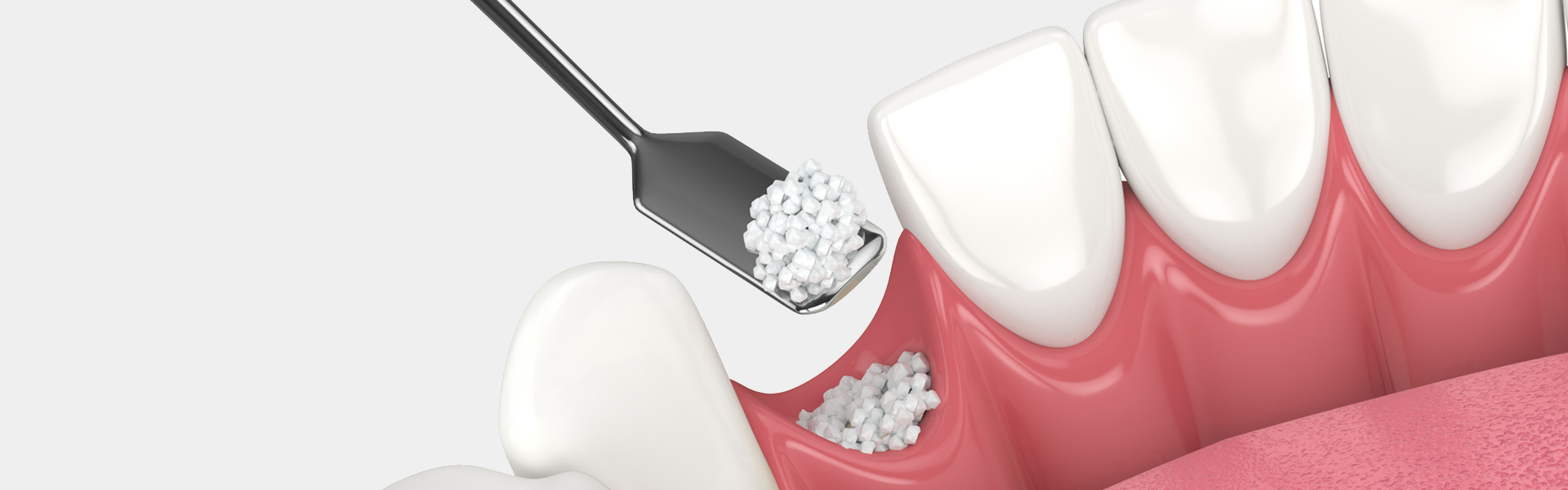
Symptoms of Bone Loss in Teeth and When to See a Dentist
Discussion during an examination often focuses on changes in gum attachment and bone stability because bone anchors each root within the jaw. When bacterial plaque remains below the gumline, toxins stimulate inflammation in the surrounding tissue. That immune response activates cells that break down connective fibers and supporting bone. These biological changes explain many of the symptoms of bone loss in teeth, even though nerve involvement is limited in early stages, and discomfort may not appear immediately. Clinical evaluation includes periodontal probing, assessment of attachment levels, and radiographic imaging to determine changes in bone height. If structural support is reduced, treatment planning shifts from preventive maintenance to periodontal management.
Understanding the Causes Behind Symptoms of Bone Loss in Teeth
Chronic periodontal infection remains the primary driver of bone deterioration. Bacteria accumulate along root surfaces and trigger sustained inflammation. Over time, inflammatory mediators disrupt normal bone remodeling and lead to gradual resorption. As bone decreases, the periodontal ligament weakens, and tooth stability declines.
Additional contributing factors are assessed carefully:
- Long-term missing teeth reduce mechanical stimulation to the jawbone, which can lead to shrinkage.
- Bruxism applies repetitive force to supporting structures and may increase mobility if the bone is compromised.
- Tobacco use restricts blood flow, limiting tissue healing.
- Systemic conditions such as poorly controlled diabetes can interfere with normal inflammatory regulation.
Radiographs are reviewed to measure bone contour and density. Probing depths determine how far the gum tissue has separated from the root. If active infection is present, scaling and root planing remove plaque and calculus beneath the gumline. Surgical access is considered only if deep pockets remain after healing is reassessed. Decisions rely on measurable bone levels rather than symptoms alone.
Early Warning Signs That Indicate Bone Loss Around Your Teeth
Receding gum tissue often reflects underlying bone change. As bone height diminishes, the gum margin follows that contour and exposes the root surface. Roots lack enamel coverage, which explains temperature sensitivity. Comparing measurements over time helps determine whether the recession is stable or progressing.
Mobility suggests attachment loss. Reduced bone around the root allows slight movement under normal biting pressure. Even minimal shifting can alter alignment and redistribute occlusal forces unevenly. Mobility grading during examination helps determine whether stabilization is appropriate.
Clinical findings that warrant evaluation include:
- Bleeding during brushing due to inflamed connective tissue
- Persistent odor from bacterial accumulation in periodontal pockets
- Deepened pockets that trap debris and delay healing
- Gradual spacing between teeth as bone support declines
Many adults search for a dentist near me after noticing looseness. Tooth movement under light pressure indicates structural compromise and requires timely assessment to prevent additional attachment loss.
How Bone Loss in Teeth Affects Your Gums and Jaw Health
Bone forms the framework that supports gum contour and tooth position. As bone resorbs, periodontal pockets deepen and create low-oxygen environments that favor pathogenic bacteria. Persistent inflammation interferes with tissue repair and increases the risk of further breakdown.
Loss of bone volume can influence overall jaw stability. If multiple teeth lose anchorage, alignment may shift, and chewing forces become uneven. Excessive force on weakened teeth may accelerate mobility.
Management may involve the following steps:
- Nonsurgical debridement to remove biofilm and hardened deposits from root surfaces
- Reevaluation of pocket depth after several weeks to assess tissue healing
- Surgical intervention is required if deep areas remain inaccessible and infection persists
Patients considered for periodontal Treatment in Canton, OH, are evaluated based on radiographic bone measurements, pocket depth, and tissue response. The amount of remaining support guides whether preservation or extraction is clinically reasonable.
When Symptoms of Bone Loss in Teeth Require Immediate Dental Attention
Marked mobility indicates advanced attachment loss. Radiographic imaging determines whether bone destruction is localized or generalized. If anchorage is severely compromised, extraction may be discussed to prevent infection from affecting adjacent structures. Preservation remains the goal when sufficient bone remains.
Swelling, tenderness, or visible drainage signal active infection within soft tissue or bone. Intervention focuses on removing bacterial accumulation and reducing the inflammatory burden. Delayed care increases the risk of deeper structural involvement.
Changes in bite alignment should also be assessed. If chewing causes discomfort or uneven contact, occlusal adjustment may reduce stress on compromised teeth. Consultation with a dentist in Canton allows coordinated evaluation of tissue condition, bone integrity, and functional alignment before determining whether stabilization, grafting, or removal is justified.
Final Thoughts
Bone loss develops through sustained inflammation and gradual structural breakdown. Early identification allows removal of infection and stabilization of affected teeth when possible. Prognosis depends on the amount of remaining bone, systemic health factors, and consistent monitoring.
Ongoing care includes periodic probing, radiographic review when indicated, and reassessment of tissue response. Treatment plans are adjusted according to documented changes rather than assumptions. At Danner Dental, clinical decisions are based on measurable bone levels, infection control, and preservation of function.